
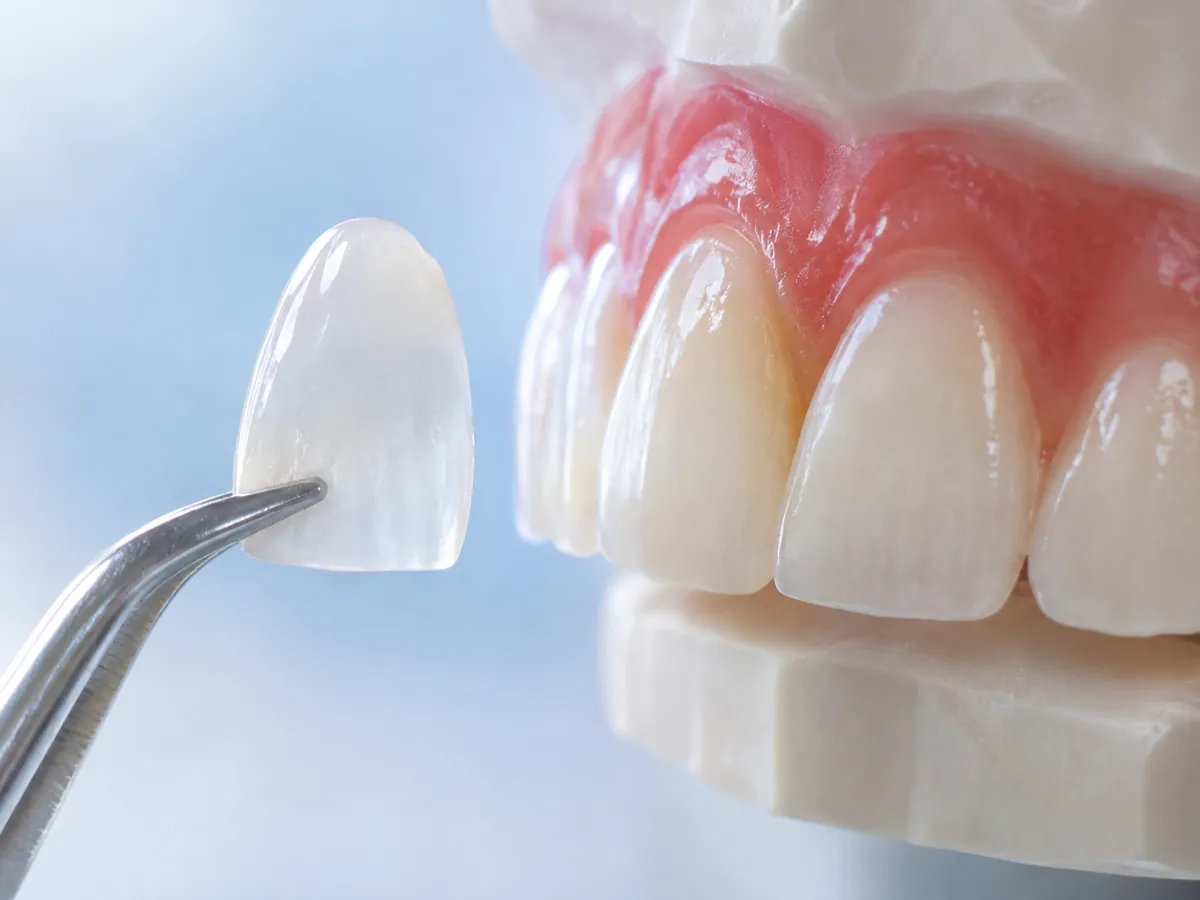
Restorations bring back the shape and function of a tooth that is broken, weakened or discoloured, or replace a missing tooth with a bridge. Cosmetic dentistry focuses on how the teeth's shape and colour harmonise with the face and smile.
Key materials we use include Zirconia, a strong material suited to many cases, especially back teeth and bridges, and E.max, a glass-ceramic valued for its natural translucency and often preferred for front teeth. The material is chosen according to the tooth's position, condition and bite.
Why patients seek this treatment
- A broken tooth or one with a large filling
- A root-treated tooth that needs protection
- Discolouration that does not respond to whitening
- Uneven shape or size of front teeth
- Replacing a missing tooth with a fixed bridge
What the first assessment involves
- Examining the teeth, gums and bite
- X-rays to check the roots and bone
- Photos and a digital scan of the teeth
- Discussing the desired shape, shade and suitable material
- A clear plan with number of visits and cost
Zirconia and E.max: when we use each
Both are metal-free ceramics. The choice depends on the tooth's position, the bite, the colour of the underlying tooth and the smile you want.
Zirconia
Very strong and fracture-resistant. Often suited to back teeth, bridges, implant crowns and patients with a heavy bite. Newer types are more translucent and closer to natural colour.
E.max
A glass-ceramic whose translucency closely resembles natural enamel. It is bonded to the tooth, which sometimes allows more conservative preparation. Often suited to front teeth, veneers and single crowns.
Shade matching
The shade is chosen with a shade guide and photos in suitable lighting, and passed to the lab in detail so the restoration blends with your natural teeth.
How it is made
Examination and X-rays → tooth preparation → impression or digital record → temporary → try-in and cementation of the final restoration → bite check.
Real cases from Tooth Shine
Published with patient consent. Results vary for each case.
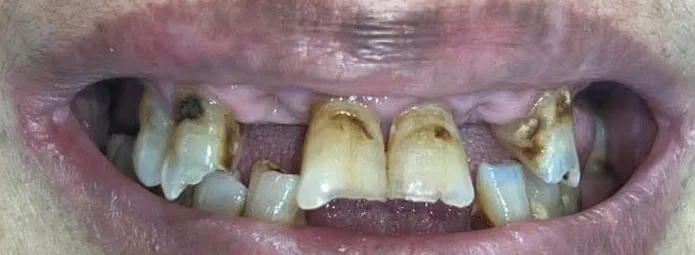 Before
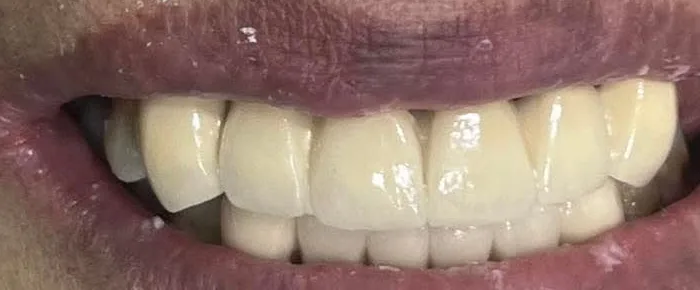 After
Porcelain restorations
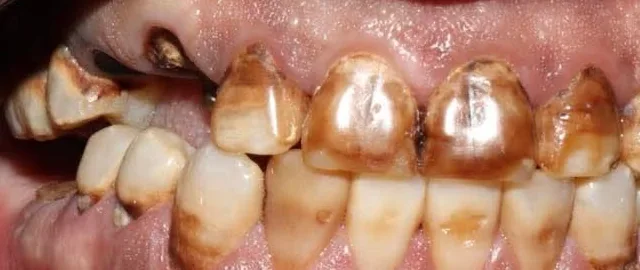 Before
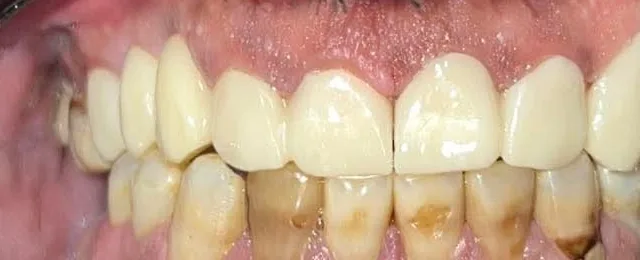 After
Zirconia restorations
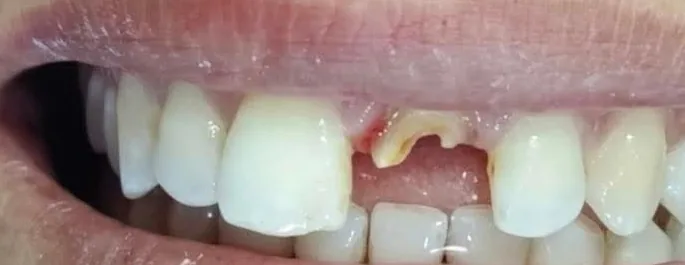 Before
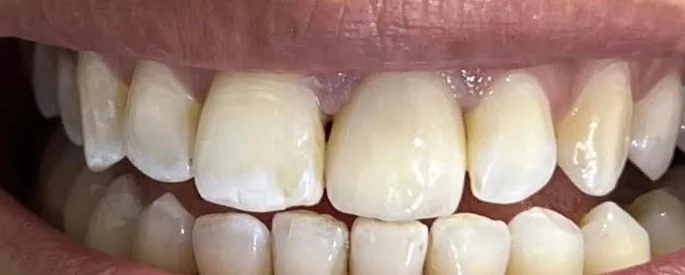 After
Replacing a front tooth with zirconia
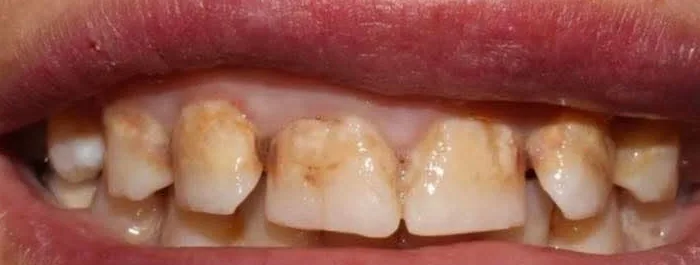 Before
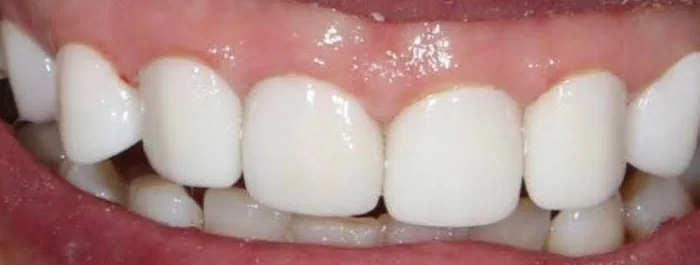 After
Full-mouth rehabilitation and smile design
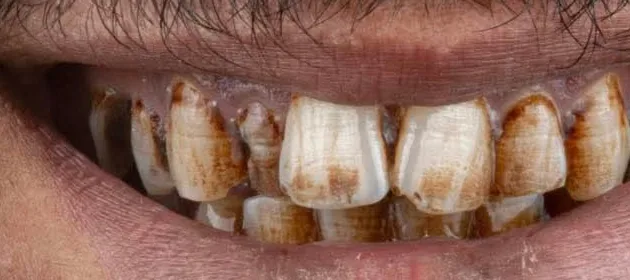 Before
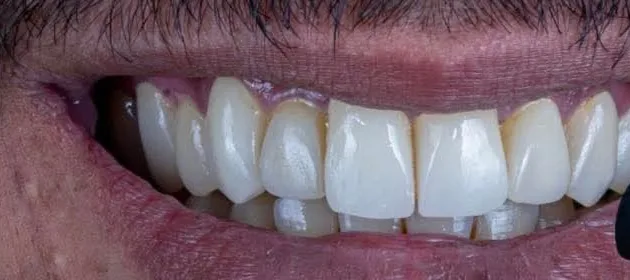 After
Full-mouth rehabilitation and smile design
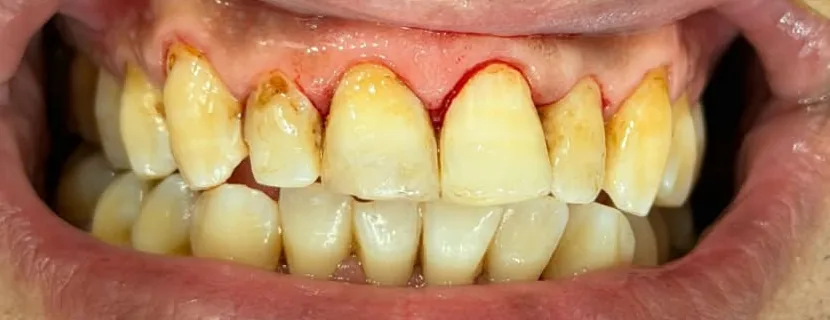 Before
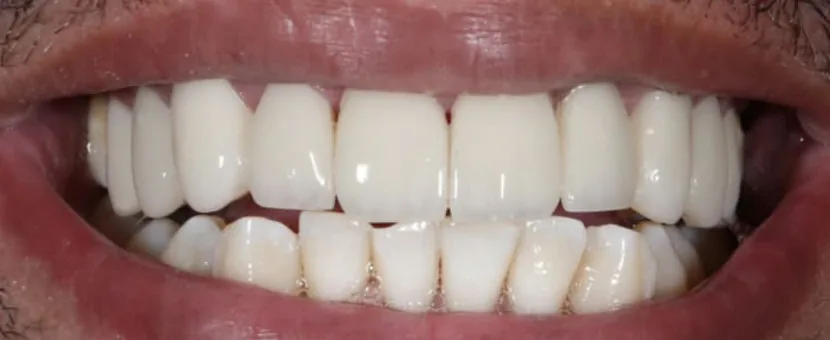 After
Smile transformation
Quick comparison
| Zirconia | E.max | |
|---|---|---|
| Strength | Higher | High |
| Translucency & natural look | Good (better in newer types) | Excellent |
| Typical use | Back teeth, bridges, implant crowns | Front teeth, veneers, single crowns |
| Fixing method | Cemented, or bonded in some cases | Bonded to the tooth |
This is a general guide; your dentist may choose differently for your case.
Technology we use
What patients say on Google
I did composite veneers with dr. Bashey and the results are amazing. Beautiful work - no pain, no bleeding, no shaving, and the results are as natural as can be. His hands are light and quick. Thank you doc for your excellent work!
تحية وتقدير لمركز أسنان شاين من دكتور لتمريض لسكرتارية... كانت أول تجربة لعمل طقم اسنان كامل ... ربنا يبارك فيكم ويوفقكم.. وان شاء الله يكون مش اخر تعامل
General reviews of the center (not specific to this service)
بجد دكتور بشاي من احسن دكاتره الاسنان واكتر مركز مريح والبنج الليزر حاجه تحفه ومش مؤلم خالص أنا اكتر حد مش بيستحمل وجع الاسنان بس مع دكتور بشاي بروح من غير خوف علشان بجد كل الاجهزه حديثه ومش بحس بأي الم ♥️♥️
بصراحة، ما شاء الله، الدكتور .. بشاي شاطر جدًا ومتخصص شرح لي حالتي بكل وضوح واهتمام، وطرق العلاج كانت مناسبة جدًا *الدكتور*: متمكن وصبور، *الطاقم الطبي..السكرتارية متعاونين وبشوشين ومحترمين جدا يعملون باحترافية.. أنا كنت بخاف جدا من دكاترة الأسنان بس مركز أسنان شاين علاج نفسي في الأول وطبي ثانيا❤ أنصح بشدة بالتعامل مع الدكتور بيشاي وطاقمه. خدمة ممتازة واهتمام بالمرضى.
Questions & answers
What is the difference between Zirconia and E.max?
Both are metal-free ceramics. Zirconia is stronger and suits back teeth and bridges; E.max more closely mimics natural translucency and is often chosen for front teeth. The dentist recommends the best option for each tooth.
Does the tooth need to be prepared (shaved)?
Most restorations need some tooth preparation, to varying degrees. The dentist explains how much and why, and aims to preserve as much natural tooth as possible.
How long do restorations last?
Well-made restorations can last many years, depending on oral hygiene, the bite, habits such as clenching, and regular check-ups.
Latest articles
This page offers general information and does not replace an examination. The right treatment is decided after assessing each case.